
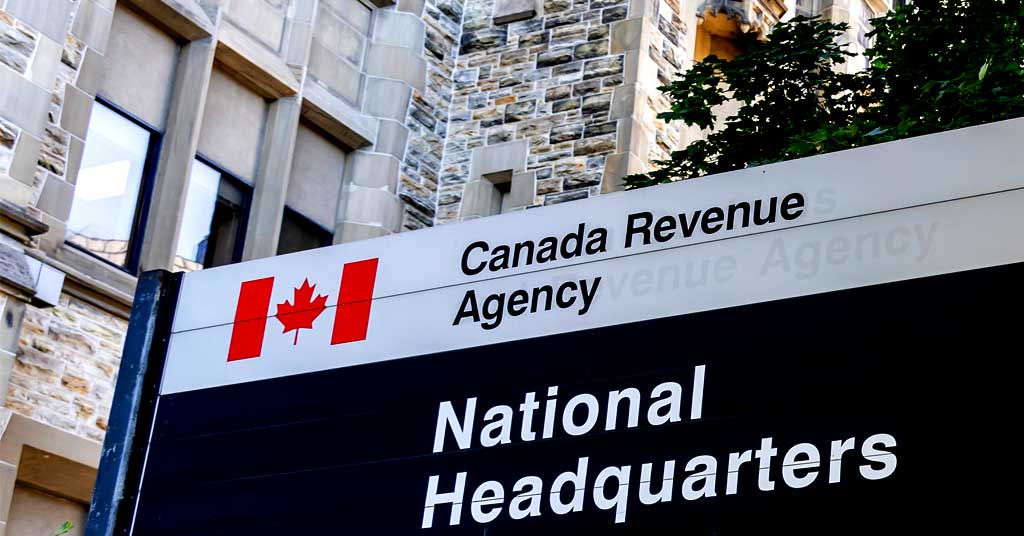
Learn the step-by-step process to challenge a CRA decision and protect your rights.
Receiving a decision from the Canada Revenue Agency (CRA) that you disagree with can be overwhelming. Whether it’s a reassessment, denied deduction, or penalty, you have the legal right to challenge it through a structured process.
Step 1: Review the CRA Notice Carefully
Start by examining your Notice of Assessment or Reassessment. Pay close attention to what changes were made, why they were made, and any additional taxes or penalties.
Step 2: File a Notice of Objection
If you disagree with the CRA’s determination, you must file a Notice of Objection within 90 days. This can be done online through CRA My Account or by submitting Form T400A.
Step 3: Provide Supporting Documents
Supporting documentation should include receipts, contracts, and financial records. A well-supported objection improves your chances of success.
Step 4: CRA Appeals Review
The Appeals Division will independently review your case and may request additional information before making a decision.
Step 5: Appeal to Tax Court
If you still disagree, you can appeal to the Tax Court of Canada within 90 days of the CRA’s decision.
Final Thoughts
Disputing a CRA assessment or reassessment can be time-sensitive and procedurally complex. Missing objection deadlines, failing to provide proper documentation, or responding incorrectly to the CRA may negatively affect your position.
HLG Tax Law assists taxpayers with:
- CRA objections and appeals
- Reassessments and penalty disputes
- Tax Court matters
- CRA collections and enforcement issues
- Strategic responses to CRA audits and reviews
Early legal guidance may help strengthen your position and prevent additional complications as the dispute progresses.
Related Articles
– CRA Requirements to Pay (RTPs) Explained: What Taxpayers Should Know
– CRA Wage Garnishment Explained: What Taxpayers Should Know
– Can CRA Freeze Your Bank Account in Canada?
– T1135 Failure-to-File Penalties: What Taxpayers Should Know
Dealing with a CRA issue?
We offer a free 30-minute consultation. Book a time that works for you and speak directly with a tax lawyer.